Greyfriars got its name from the order of the Grey Friars, who built the friary here in Lincoln in the 13th century. But what exactly is a friar, and what did they do? The term ‘friar’ comes from the Norman French word ‘frere’ or the Latin ‘frater’, both meaning ‘brother’. Friars were somewhat of a radical development in medieval Christianity, as up until this point, those who dedicated their lives to religion lived apart from the general population in convents or monasteries as monks or nuns.
Where did friars come from?
The origins of the orders of friars date back to the early 13th century, when Dominic of Spain and Francis from Italy presented new, radical ideas to the pope. At this time, people who had dedicated their lives to the Catholic Church lived separately from the general public in monasteries or convents as a self-sufficient community that accumulated wealth and had little to do with the general public. For most ordinary people, especially the poor, the only contact they had with the church was through their parish priest, many of whom were lax in their duties, experiencing poverty themselves, meaning they had to work in addition to their priestly duties, or simply spread too thin to help the general population maintain a Christian way of life.
The solution came in 1216 in the form of Dominic of Spain and Francis of Italy, better known now as St. Dominic and St Francis of Assisi. They both independently advocated for an order of dedicated preachers who would live in poverty and minister directly to laypeople, as opposed to monks who would cloister themselves away from the public. They brought their idea to Pope Innocent III, who approved and endorsed the order of the friars.
This led to the two orders of the friars known as the Dominican (later known as the Preaching Friars) and Franciscan (known as the Friars Minor), or also the mendicant friars. Mendicant refers to someone who has taken a life of poverty. These friars were dependent only on the donations from preaching and helped to spread the word of God around Europe.
The Franciscan friars
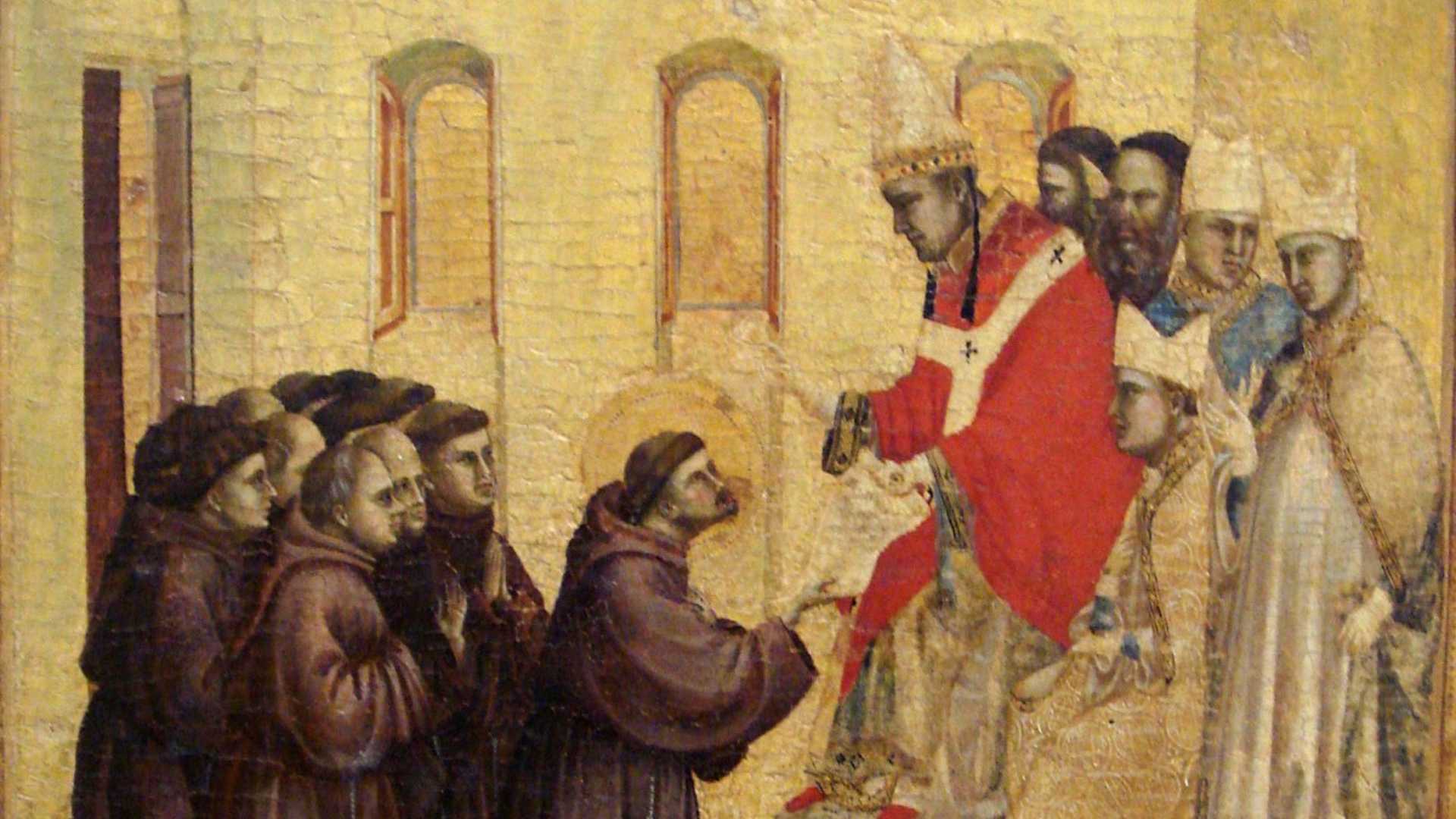
Pope Innocent III approving the statutes of the Order of the Franciscans, by Giotto (Wikimedia Commons)
The Franciscan friars were also known as the Friars Minor or Ordo Fratrum Minorum, which stems from St Francis’s rejection of wealth and luxury. The Friars Minor has three branches: the Order of Friars Minor (Brown Franciscans), the Order of Friars Minor Capuchin (Brown Friars with long pointed hoods) and the Order of Friars Minor Conventual, who wore grey or black habits and thus became known as Grey Friars. Supported by the papacy, the Grey Friars spread throughout medieval England and arrived in Lincolnshire in 1230.
The Grey Friars’ arrival in Lincoln
Following the spread of the orders of the friars across Europe, it became apparent that they would need a base of operations to work from. They sought out land or buildings to settle in near or within large population centres to best enable their work with the public. They settled in cities and large towns and built friaries, like the Greyfriars building that is still present today. Other friaries were founded during the medieval period and can still be found in other cities around England, including London, Gloucester, Winchester, Richmond, and more.
The Grey Friars originally established a friary in Stamford, and later received a parcel of land from the city of Lincoln, which was later confirmed by King Henry III in 1230. The friars built on this parcel of land, which at the time stretched from the city wall (no longer standing) to Silver Street, Free School Lane, and Sheep Square (where St. Swithins Church now stands).
Dissolution of the monasteries
Following Henry VIII’s initiation of the separation of the Church of England from the Catholic Church, the 1534 Act of Supremacy formalised the King rather than the Pope as the head of the Church in England. This precluded the dissolution of the monasteries, in which Henry VIII disbanded all Catholic monasteries, friaries, convents and priories in England, Wales and Ireland, seizing their wealth and disposing of their assets. This was to help increase the income of the Crown and to fund Henry VIII’s military campaigns of the 1540s, such as the Italian War, the Siege of Boulogne, and the Battle of the Solent. The dissolution of the monasteries was a revolutionary event, as one in fifty men at the time was part of a religious order, so this led to the dislocation of a significant part of the population. The dissolution was related to the Reformation in Europe, a major theological movement which marked the end of the medieval period and the start of the early modern period.
In 1538, the community of friars was expelled from Greyfriars in Lincoln. The building was sold to William Monson, whose son, Robert Monson, founded a free school on the site, inspiring the name of the nearby Free School Lane.
The Greyfriars building today
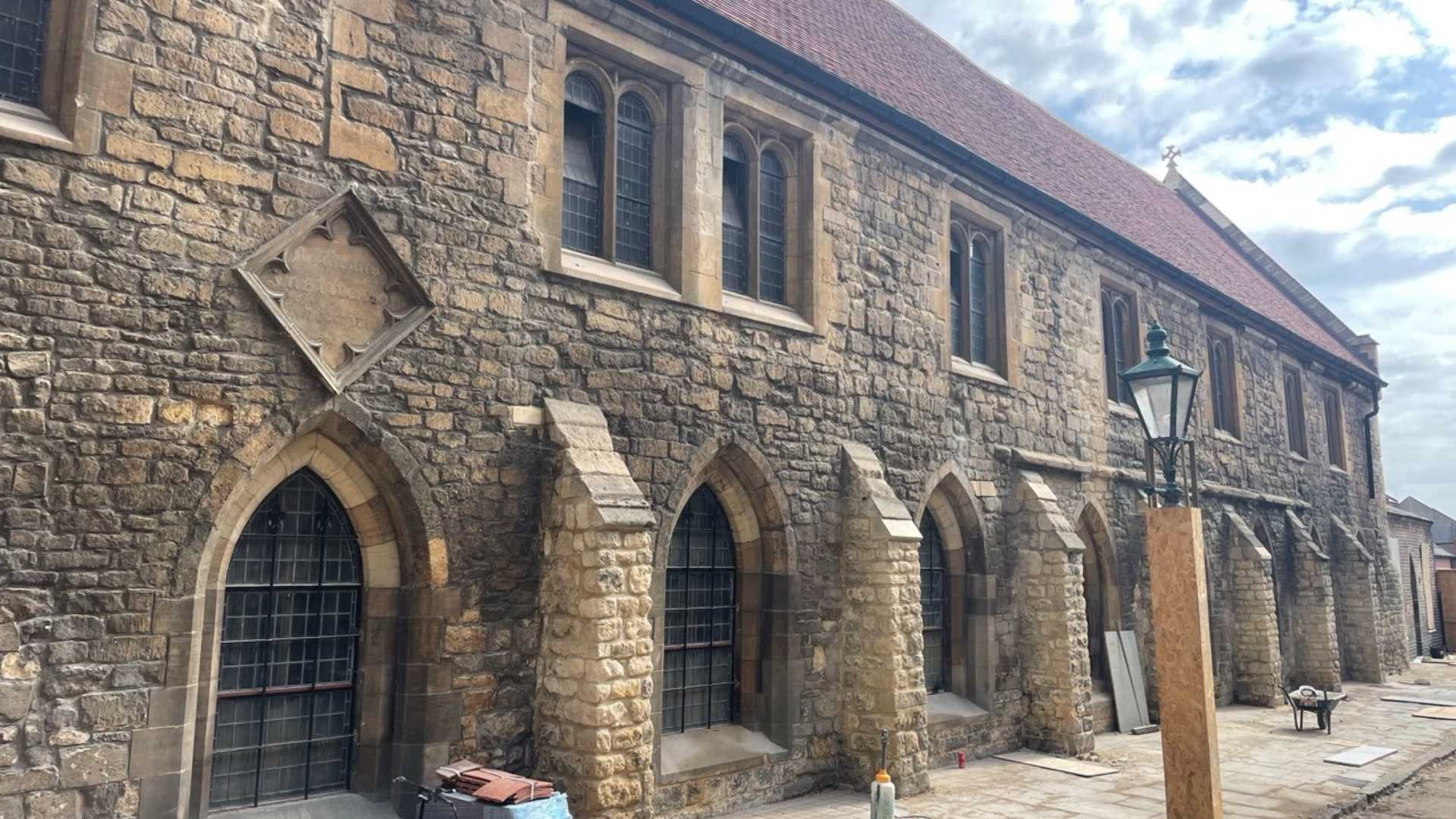
Although the friary itself was dissolved in the sixteenth century, Greyfriars has continued to reveal clues about its medieval past. Archaeological work around the site has uncovered fragments of domestic material that help historians understand how the friars lived and how the building developed over time. These finds, together with documentary records, allow researchers to reconstruct the original layout of the friary precinct and its relationship to the surrounding medieval streets.
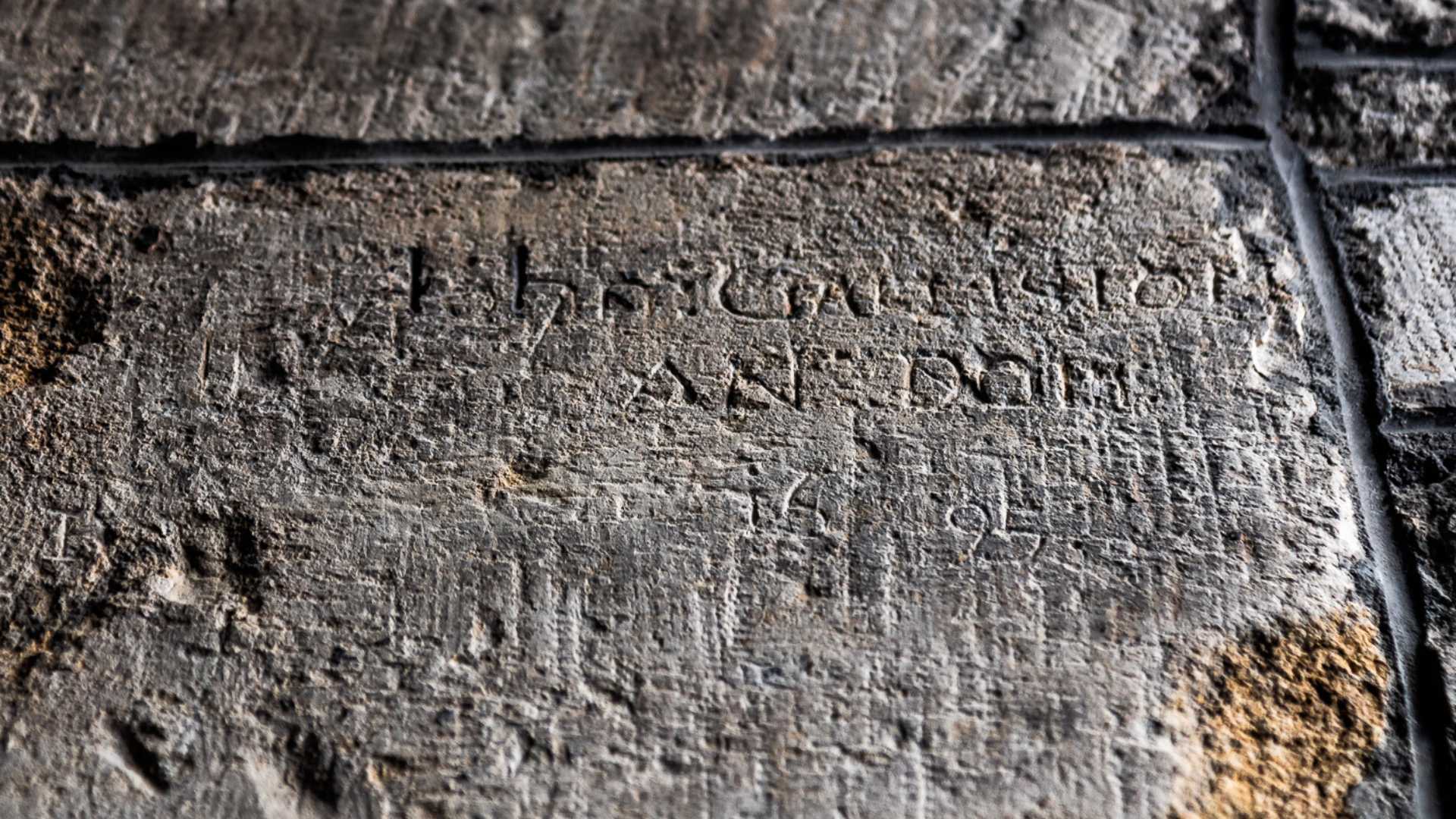
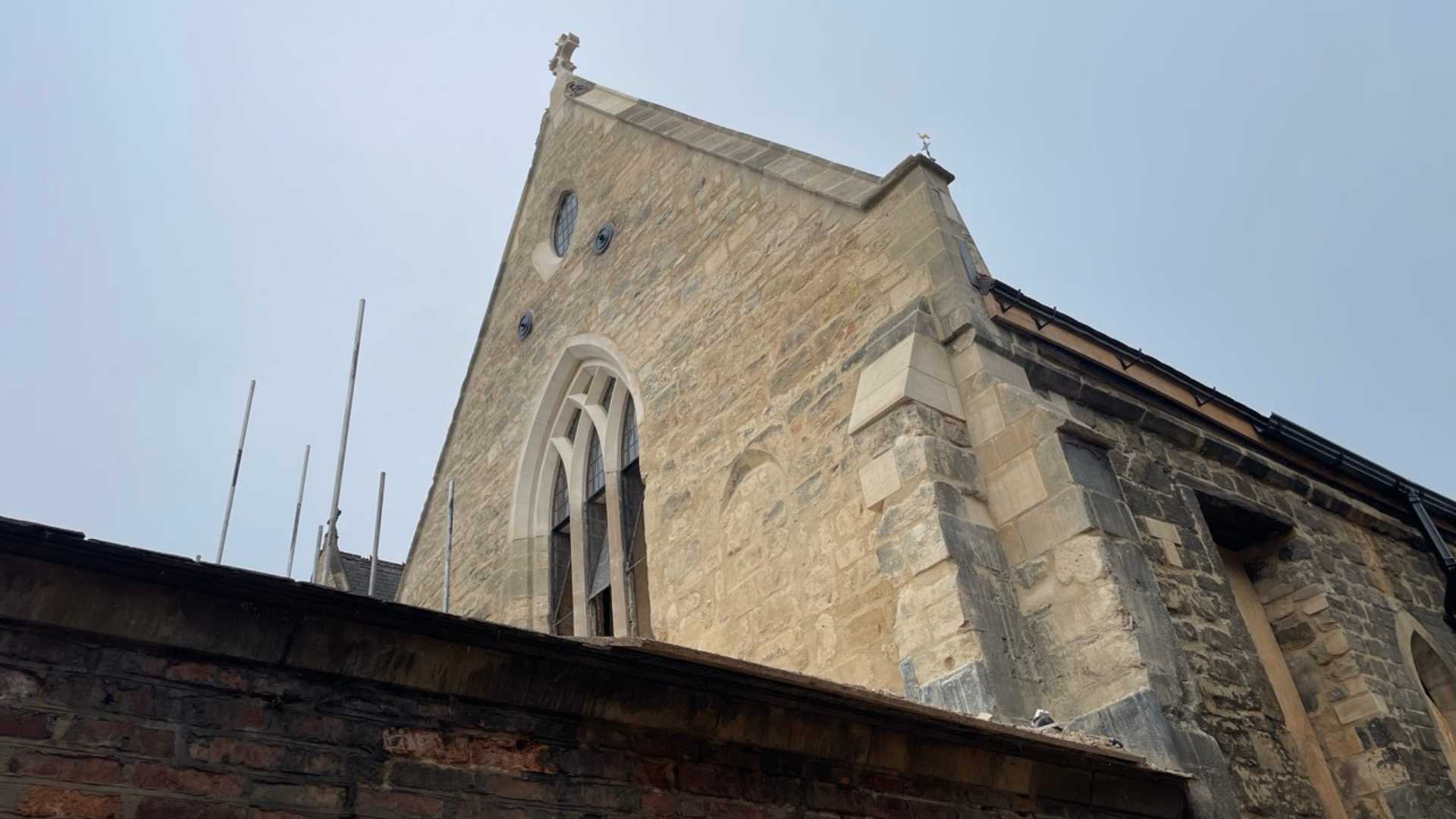
Greyfriars is also significant because it is one of the most complete surviving friary buildings in England. Much of its medieval stonework is still intact, including the distinctive vaulted undercroft. Recent conservation and restoration projects have allowed specialists to study the building more closely, revealing evidence of alterations made during its later uses as a school, an educational institute, and a museum. Each phase has left subtle marks on the fabric of the building, helping to tell the story of how Greyfriars has adapted to the needs of the city for almost eight centuries. Greyfriars stands not only as a rare architectural survivor from the medieval period but also as an evolving source of knowledge about Lincoln’s religious, social, and civic history.
Sources:
1. https://heritagelincolnshire.org/blogs/the-greyfriars-the-franciscans-in-lincolnshire
2. https://en.wikipedia.org/wiki/Category:Franciscan_monasteries_in_England
3. https://en.wikipedia.org/wiki/Franciscans
4. https://www.thegreyfriars.org/history-of-the-greyfriars-in-england