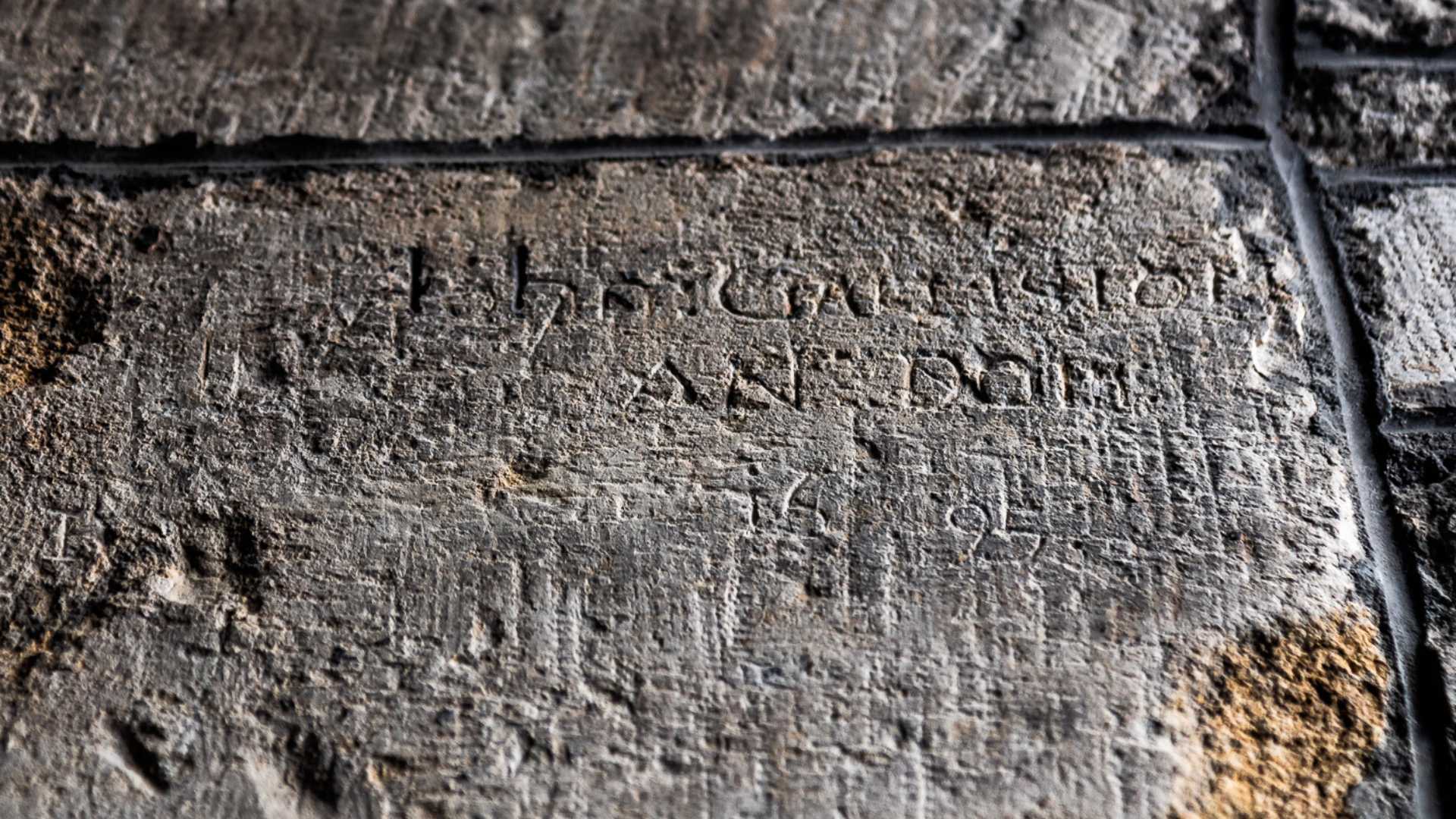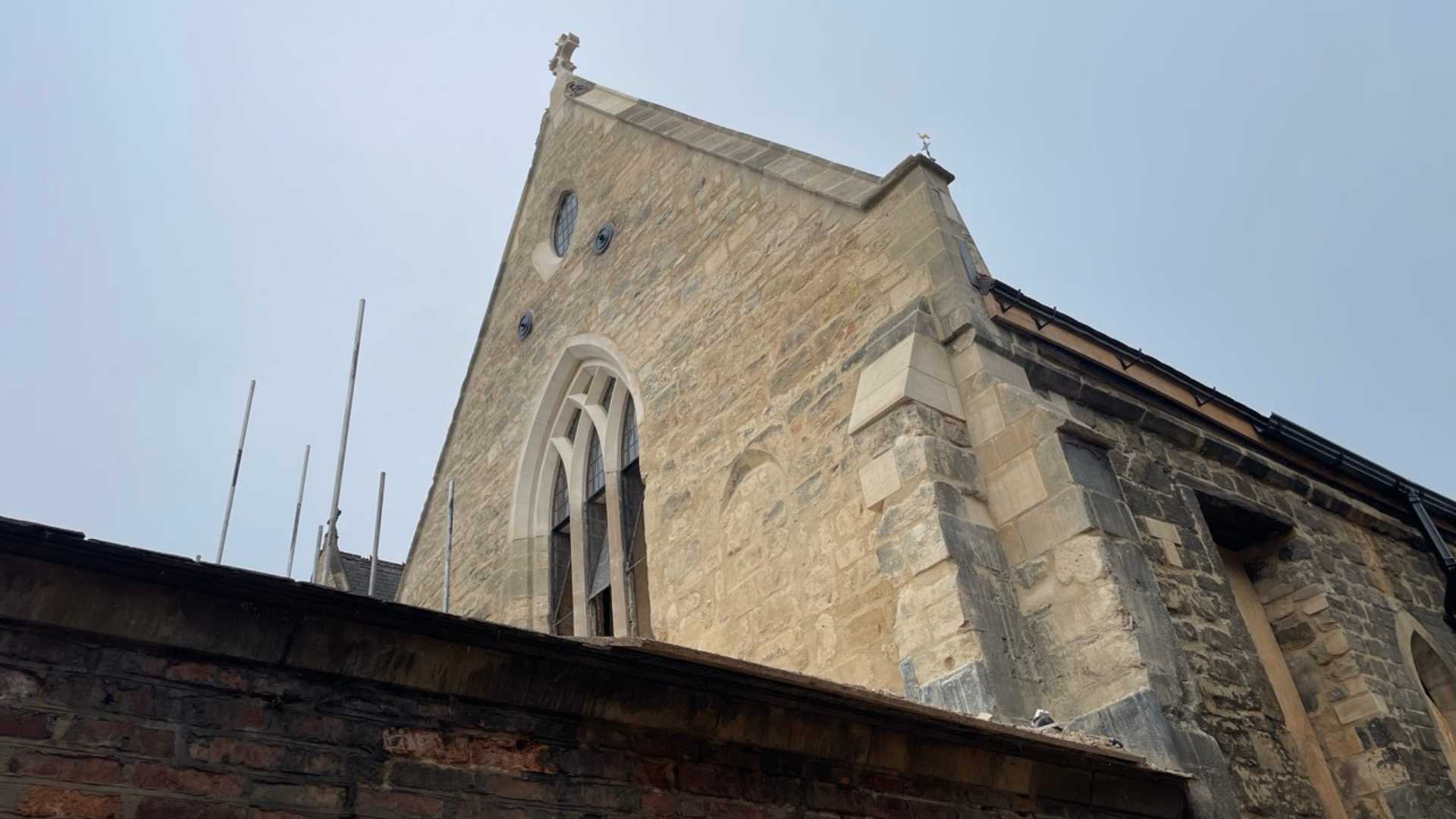
Only a few of England’s medieval buildings have survived to the present day, especially friaries and other Catholic institutions, due to the Dissolution of the Monasteries in 1541. So why is Greyfriars in Lincoln still partly intact, even 800 years after its creation?
Friaries and the Dissolution
While many churches, monasteries and abbey buildings physically survived the dissolution of the monasteries, many friaries were not so lucky. They were located in towns and cities rather than larger, more rural estates like monasteries, and relied on donations for their construction and maintenance, leading to a more modest building fashioned of cheaper materials. Their urban location meant that many friary buildings were stripped of reusable building materials like stone, lead and timber, and these were repurposed into civic buildings or private houses. As a result, most friaries in England are only present today as archaeological traces beneath streets or more modern buildings. Against this backdrop, the survival of the Greyfriars building in Lincoln is impressive.
Post-Dissolution Greyfriars
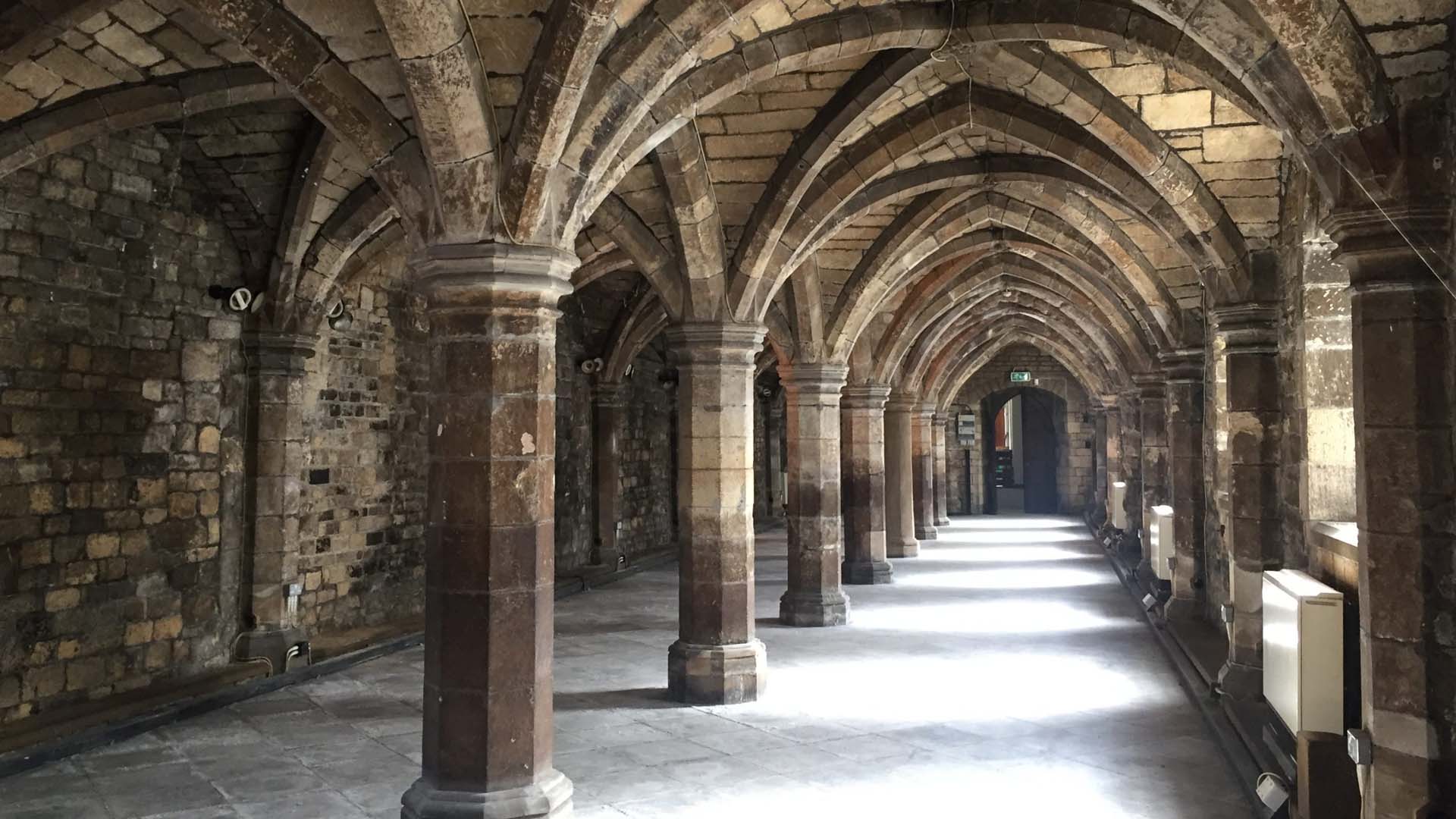
One of the most significant factors in Greyfriars’ survival was its relatively swift sale to a private individual following the Dissolution. Rather than remaining in Crown ownership or being earmarked for systematic dismantling, the site was repurposed for domestic use. Greyfriars was sold to Mr William Monson, who most likely used it as a private dwelling, and then passed it down to his son, Robert Monson, who founded a free school in Greyfriars in 1568. The building was then in constant use from this point onwards as a school, a house of correction, the Jersey school for the spinning and knitting of wool, the Mechanics Institute, and then a museum, until 2004.
This means that over the centuries, the building was maintained by its various owners – roofs were patched, windows replaced, and structural failures addressed. While the current restoration of Greyfriars is an ongoing and complex task, it has been made easier thanks to the efforts of the custodians of the building over the years. This pattern can be seen at other rare survivals of religious buildings: those that became houses, schools, or administrative buildings were far more likely to endure than those left empty or treated as quarries.
Location & Architectural Practicality
When it was first constructed, Greyfriars was located close to the city centre, but more on the periphery than other friaries of the era. This location, close to the urban centre but bordering on major travel routes and open land, reduced pressure for immediate redevelopment after the Dissolution.
The physical nature of Greyfriars also contributed to its longevity. Franciscans favoured robust but relatively plain construction. The thick stone walls and straightforward structural forms have proved resilient. While ornate churches were sometimes dismantled for their valuable materials, more utilitarian buildings were often left standing simply because demolition required effort and expense.
The City’s Development in the Post-Medieval Era
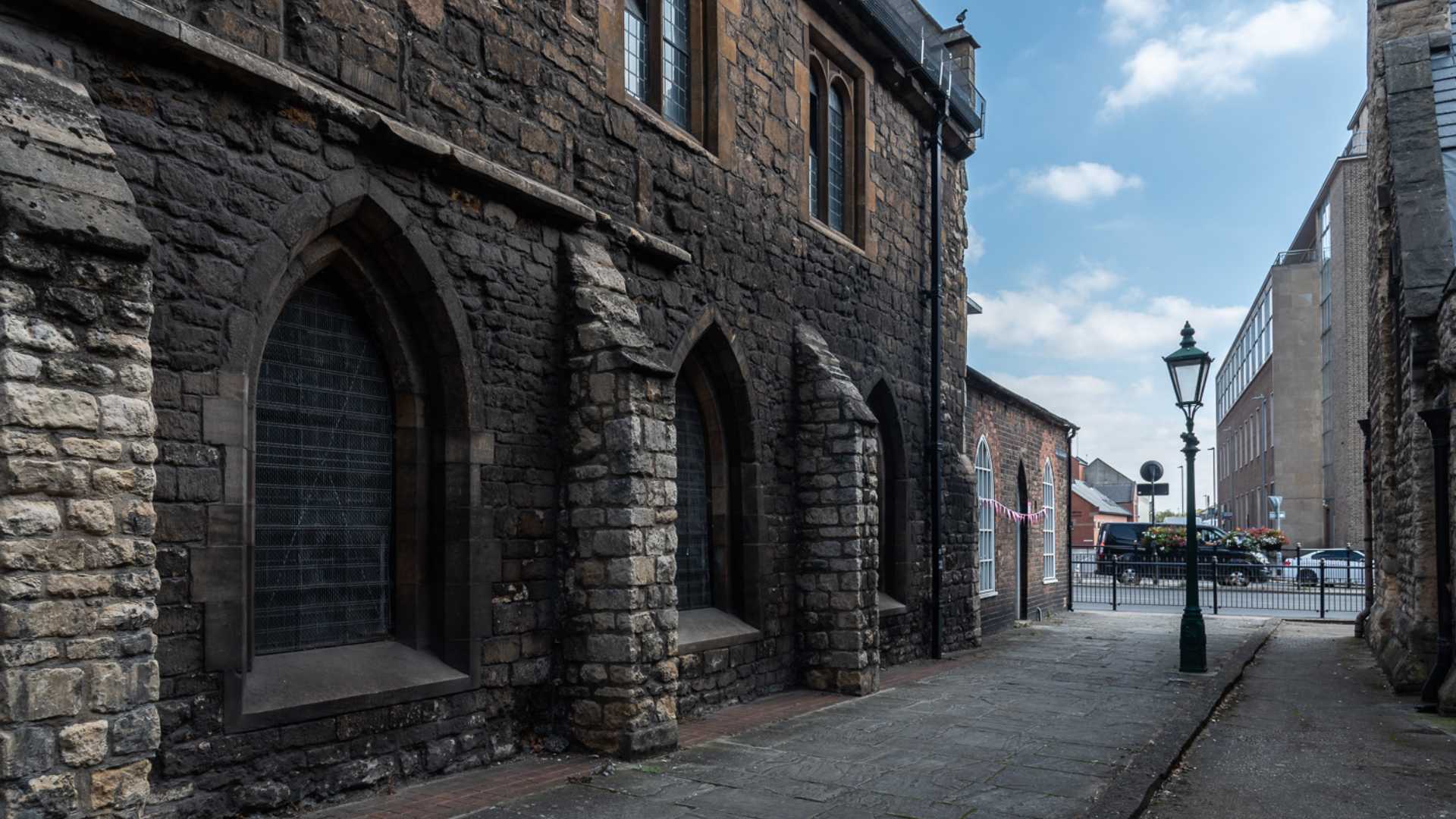
Lincoln’s development also played a role. While the city grew and changed, it did not experience the same intense, early-modern rebuilding pressures seen in some larger towns. The former friary site was not immediately needed for large-scale civic projects, allowing its private use to continue relatively undisturbed. In many other towns, friary sites were rapidly cleared to make way for markets, guildhalls, or new streets. Greyfriars avoided this fate, in part because its existing buildings could be economically reused and in part. After all, there was no urgent need to erase them.
Lincoln also has a rich architectural history, from the famous cathedral and castle to other medieval buildings such as the Guildhall and Stonebow, and even the remaining walls and gates of the original Roman town of Lindum Colonia. The city never erased its earlier layers in the same way that other cities did. This doesn’t mean that Lincoln was deliberately preserving buildings from the 16th or 17th centuries; rather, it more suggests that pressure for redevelopment of the city was more uneven or slower than in other locations, there was less appetite or necessity for wholesale clearance, and many historic buildings could be repurposed rather than replaced.
The Culture of Lincoln
Lincoln’s long history of architectural continuity did not save Greyfriars on its own, but it created the conditions in which survival was possible. The survival of Lincoln Cathedral and the castle is hardly comparable to a small friary, but it is still significant, as it shows a culture accustomed to living alongside very old buildings, less cultural pressure to view age as obsolescence, and practical acceptance of adaptation rather than replacement.
If Lincoln’s historic character were not relevant, we might expect to see similar friary survival rates elsewhere, but largely, we don’t. Cities such as London, Norwich, York and Bristol all had major friaries, and while some remain, many were destroyed or only survive today as fragments. These were more economically dynamic cities where land values and development pressures were higher. Lincoln was comparatively stable and slower to develop, which has contributed to the preservation of existing structures.
Today, Greyfriars stands as a rare and tangible link to England’s past. Its survival highlights a broader truth about the Dissolution: destruction was not inevitable. Where former religious houses passed quickly into private hands, found new uses, and remained occupied, survival became possible.
Greyfriars is therefore not just a historical curiosity, but a case study in adaptive reuse long before the term existed. Its endurance reminds us that preservation is often accidental, shaped by economics, ownership, and practicality as much as by conscious heritage protection.
Greyfriars’ continued presence in Lincoln is both remarkable and instructive – a quiet survivor of one of the most destructive episodes in England’s architectural history.